

Virginia's New Semi-Auto Firearm Ban Faces Immediate Constitutional Challenges
Posted by DOT on Jun 4th 2026
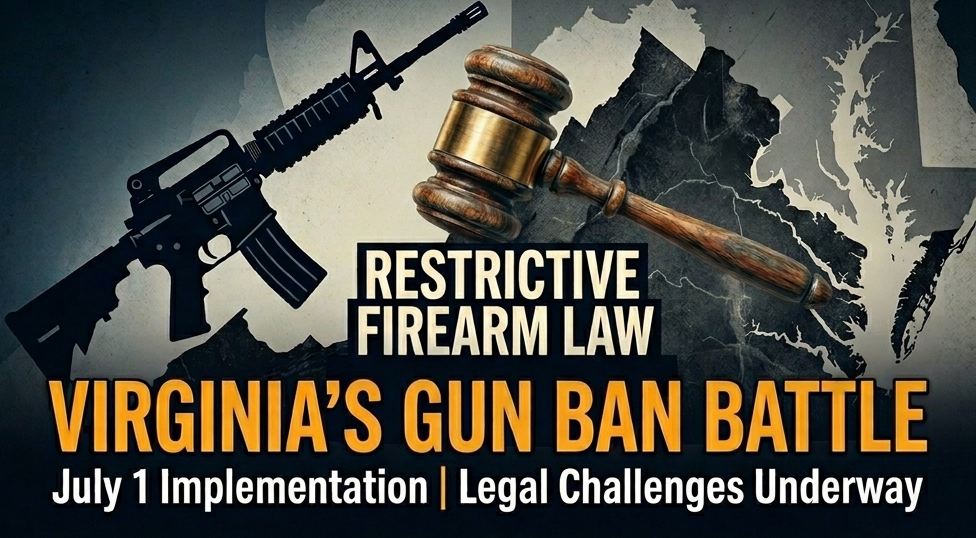
Virginia is set to implement one of the most restrictive firearm laws in its history, and legal challenges are already underway. Beginning July 1, a new law will criminalize the purchase and transfer of many commonly owned semi-automatic firearms and magazines, setting up what could become one of the next major Second Amendment battles in the country.
Supporters argue the law is aimed at reducing access to certain firearms, while opponents contend it directly conflicts with both the U.S. Constitution and Virginia's own constitutional protections.
With multiple lawsuits already filed and potential federal intervention looming, the fight over Virginia's new law may ultimately be decided in court.
What the New Law Does
House Bill 217 and Senate Bill 749, signed by Abigail Spanberger, take effect on July 1.
Under the law:
- The purchase or transfer of many semi-automatic firearms classified as "assault firearms" becomes illegal.
- Magazines capable of holding more than 15 rounds are prohibited from being transferred or purchased.
- Violations are classified as a Class 1 misdemeanor.
- A second conviction can result in the loss of firearm possession rights for three years.
Critics point out that the law applies to many of the most commonly owned rifles and firearms in the United States, including platforms frequently used for sport shooting, training, competition, home defense, and hunting.
The AR-15 and the Supreme Court
One reason this law is drawing national attention is the growing focus on AR-15 bans at the federal level.
In the Supreme Court case Smith & Wesson Brands v. Estados Unidos Mexicanos, Justice Elena Kagan wrote that the AR-15 is "the most popular rifle in the country" and noted that such rifles are widely owned by ordinary Americans.
Additionally, when the Supreme Court declined to hear Snope v. Brown, Justice Brett Kavanaugh issued a statement suggesting the Court would likely address AR-15 bans in the near future.
Many legal observers believe Virginia's new law could become part of that broader national debate.
Virginia's Constitutional Protections
While much of the conversation centers around the Second Amendment, Virginia's Constitution also contains explicit protections for the right to keep and bear arms.
Article I, Section 13 of the Virginia Constitution states in part:
"The right of the people to keep and bear arms shall not be infringed."
Virginia has a long history of recognizing firearm ownership as a fundamental right, dating back to the Commonwealth's founding era.
Supporters of the lawsuits argue that Virginia's own constitutional protections may prove just as important as federal constitutional arguments in challenging the new law.
Questions About Hunting and Common Use
When signing the legislation, Governor Spanberger acknowledged concerns that some commonly used hunting firearms could be affected and expressed support for clarifying portions of the law.
That issue may become significant in future litigation.
Under the Supreme Court's landmark decision in District of Columbia v. Heller, firearms that are in "common use" for lawful purposes receive strong constitutional protection.
Opponents argue that many of the firearms affected by Virginia's law clearly meet that standard, given their widespread ownership and lawful use across the country.
The Return of Second Amendment Sanctuaries
Virginia gun owners may remember similar debates from 2020.
At that time, proposed firearm restrictions led dozens of counties and local governments to adopt "Second Amendment Sanctuary" resolutions expressing opposition to state-level firearm bans.
Today, many Virginia jurisdictions are once again passing similar resolutions.
Several local officials have also publicly questioned whether their offices should prioritize enforcement of the new law while its constitutionality remains unresolved.
Some prosecutors have already indicated they intend to await court rulings before aggressively pursuing cases under the legislation.
Multiple Lawsuits Already Filed
Legal challenges were filed almost immediately after the bill became law.
Current cases include:
- McDonald v. Katz
- Black v. Hook
- Crump v. Katz
The lawsuits argue that the law violates both the Second Amendment and protections found within Virginia's Constitution.
There is also speculation that the federal government could become involved. Earlier this year, Assistant Attorney General Harmeet Dhillon warned Virginia officials that legal action could follow if legislation infringed upon constitutional rights.
What Happens Next?
The law is scheduled to take effect on July 1, but the legal fight is just beginning.
Several key questions remain:
- Will courts issue injunctions before enforcement begins?
- How will courts apply the Supreme Court's "common use" standard?
- Will the Supreme Court take up another AR-15 ban case in the near future?
- Could federal litigation alter the law's future?
The answers could have implications far beyond Virginia, potentially influencing firearm legislation and court challenges nationwide.
Final Thoughts
Virginia's new firearm restrictions are quickly becoming one of the most closely watched Second Amendment cases in the country. The law targets firearms that millions of Americans legally own and use for lawful purposes, setting up a direct constitutional challenge that many believe courts will eventually have to resolve.
As the legal process unfolds, Virginia may become the latest battleground in the national debate over whether commonly owned semi-automatic firearms can be prohibited under the Constitution.
For gun owners across the country, the outcome could help shape the future of firearm regulation for years to come.
At DOT, we believe staying informed is just as important as having dependable equipment. Whether you're following legislative developments or spending time on the range, confidence starts with knowing your rights and trusting your gear.
Explore DOT and see what modern optics should be.